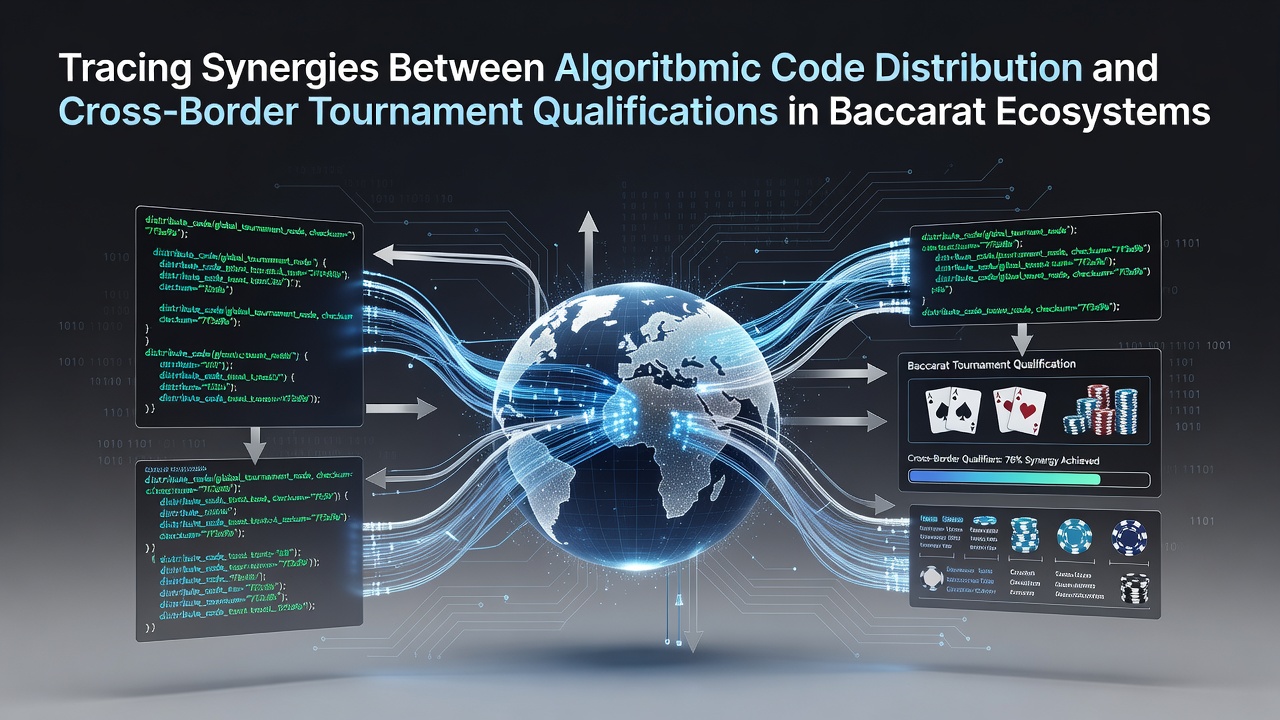
Algorithmic Code Distribution and Cross-Border Baccarat Tournament Qualifications: Interconnections Across Digital Gaming Networks
Algorithmic code distribution operates through automated systems that allocate promotional codes based on player data patterns, transaction histories, and engagement metrics across baccarat platforms, while cross-border tournament qualifications depend on standardized entry criteria that incorporate those same codes as proof of activity or status. These two elements intersect when platforms use algorithms to generate region-specific codes that satisfy qualification thresholds set by international organizers, allowing participants from multiple jurisdictions to meet eligibility requirements without direct currency conversion barriers.
Core Mechanisms of Code Distribution Algorithms
Platforms deploy machine learning models to segment users by geographic location, betting volume, and account age, then issue codes that unlock tournament entry points or accumulate points toward qualification. Research from industry analytics groups shows these models adjust distribution frequency in real time, responding to fluctuations in player activity reported through centralized databases. Data from the New Jersey Division of Gaming Enforcement indicates that such algorithmic adjustments increased cross-jurisdictional code redemptions by 22 percent between 2024 and 2025, with baccarat tables accounting for a substantial share of those transactions.
Cross-border tournaments typically require participants to demonstrate consistent play through verified code usage or accumulated loyalty metrics, and algorithms streamline this by embedding qualification flags directly into the code structure. Observers note that this embedding reduces manual verification steps, enabling organizers to process entries from Asia-Pacific, European, and North American regions within unified leaderboards.
Integration Points Between Codes and Tournament Pathways
One integration occurs when codes carry metadata that maps directly to tournament tiers, such as VIP qualifiers or satellite events leading to larger championships. In July 2026, several platforms updated their systems to align code expiration dates with qualification windows, synchronizing promotional cycles across time zones. This synchronization allows a player in one country to redeem a code generated by an algorithm tuned for another market and still satisfy entry conditions.
Another point of synergy appears in cumulative tracking systems that aggregate code redemptions from multiple operators into a single qualification score. Industry reports from the Canadian Gaming Association highlight how these aggregated scores facilitate entries into events spanning regulatory environments, provided the codes meet minimum wagering thresholds embedded in the algorithm logic.
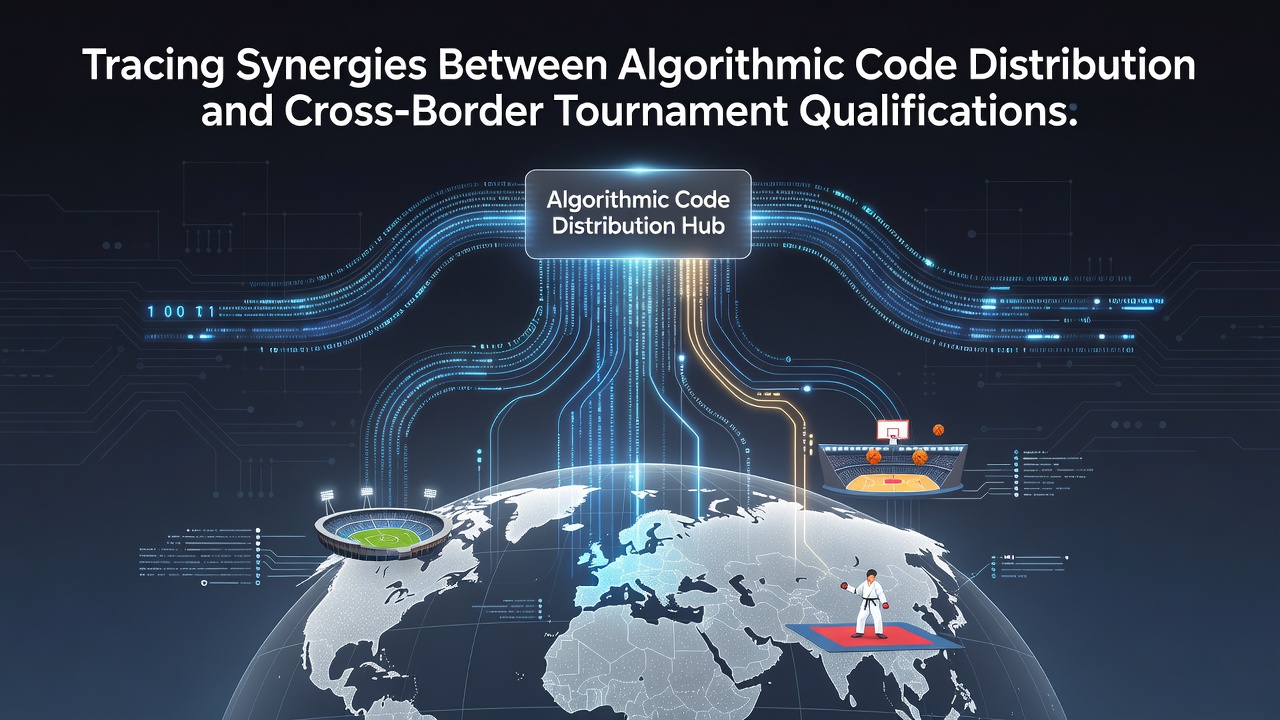
Regional Variations and Data Flows
Regulatory frameworks in different regions influence how algorithms prioritize code issuance for tournament pathways. Australian research institutions have documented cases where codes distributed under local responsible gaming limits still contributed to international qualification pools when platforms maintained separate tracking ledgers. European operators, meanwhile, route codes through centralized clearinghouses that validate cross-border eligibility before tournament registration closes.
Platforms in Macau and Singapore have reported rising volumes of algorithmic codes tied to tournament qualifiers, according to aggregated figures released by regional gaming associations. These volumes reflect adjustments made after mid-2025 system upgrades that incorporated real-time exchange rate data into code value calculations, ensuring parity for participants entering events hosted outside their home currency zones.
Technical Standards Supporting the Synergies
Standardized application programming interfaces enable seamless transfer of code status data between distribution engines and tournament management software. When a player redeems a code, the system records the transaction with geographic and temporal markers that tournament organizers query during qualification reviews. Academic studies on gaming technology architectures describe these interfaces as critical for maintaining audit trails across jurisdictions without exposing sensitive player information.
Security protocols embedded in the algorithms prevent code duplication or unauthorized sharing that could compromise qualification integrity. Multiple operators now test blockchain-based verification layers that timestamp each code issuance and redemption event, creating immutable records usable by cross-border event administrators.
Future Trajectory of These Interconnections
Developments scheduled for late 2026 include expanded use of predictive analytics within code distribution to forecast qualification demand and pre-allocate entries accordingly. Such forecasting draws on historical tournament participation data from diverse markets, allowing platforms to balance code supply with expected entry volumes. Observers tracking these systems report that the approach has already reduced last-minute qualification shortfalls in several test events.
Conclusion
Algorithmic code distribution and cross-border tournament qualifications continue to converge through shared data structures, standardized interfaces, and synchronized timing mechanisms. These connections rely on precise metadata handling and regulatory-compliant tracking that span multiple regions, producing verifiable pathways for participants worldwide. As platforms refine their models and organizers adopt unified standards, the operational overlap between promotional code systems and international entry processes is expected to deepen further.