Charting Cumulative Benefit Pathways in Digital Table Game Environments Through Staged Incentive Redemptions
Digital table game platforms have developed structured systems that allow participants to accumulate benefits through sequenced redemptions rather than single large payouts, and these pathways often begin with entry-level incentives that unlock progressively larger rewards as activity levels increase. Observers note that the process relies on tracking mechanisms embedded in platform software which record each redemption stage while adjusting eligibility criteria based on prior actions.
Core Mechanics of Staged Redemptions
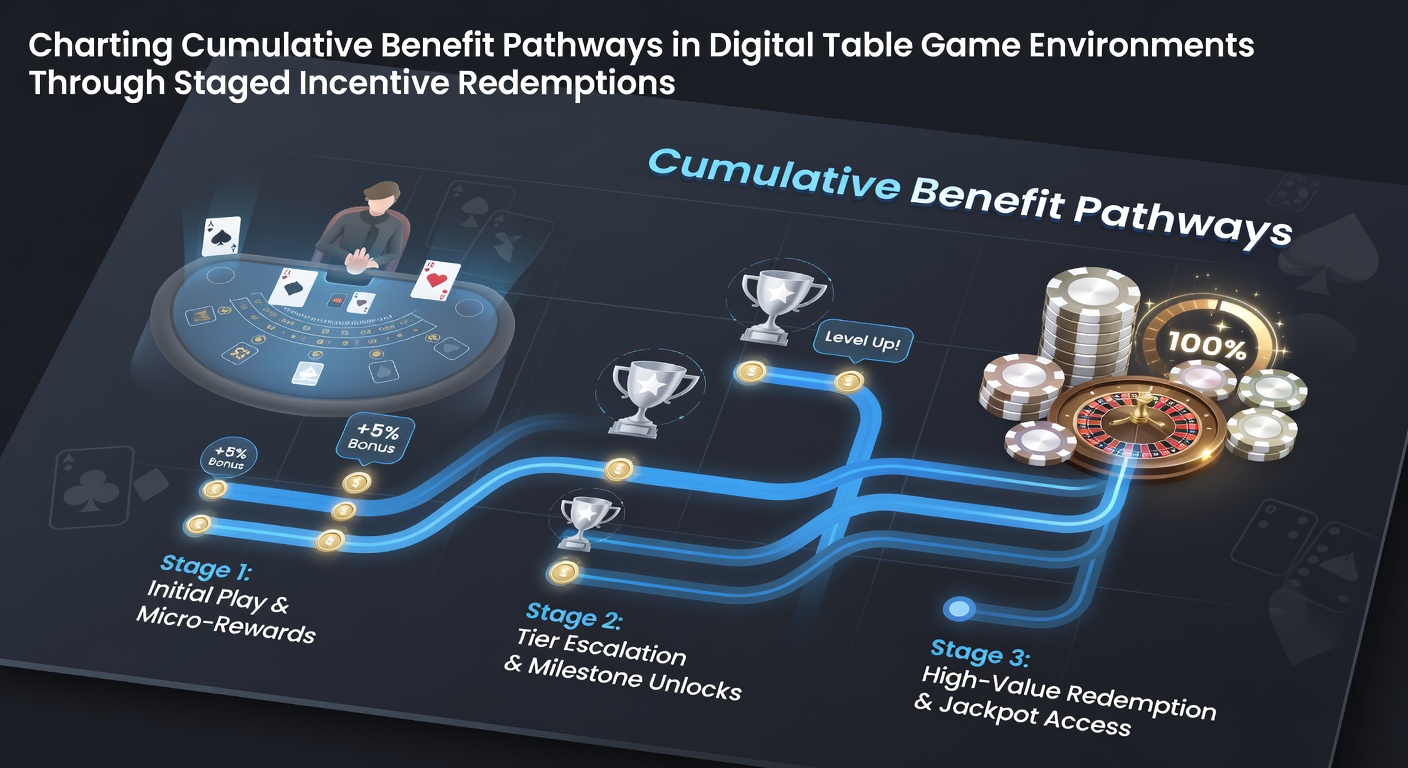
Staged incentive structures divide rewards into sequential tiers where an initial redemption such as a matched deposit credit or free play token must be completed before access opens to subsequent levels like cashback multipliers or tournament entry passes, and this layering creates cumulative pathways that extend across multiple sessions. Research from the University of Nevada Reno Gaming Research Center indicates that such systems maintain player engagement by spacing benefit releases across defined time windows, often spanning days or weeks, while data logs capture every step to prevent premature advancement.
Platforms integrate these redemptions with table game outcomes where results from blackjack rounds or roulette spins contribute points toward the next stage threshold, yet the redemption itself occurs separately through account dashboards that list available options once criteria are met. Figures from the Canadian Gaming Association show that operators in regulated markets processed over 2.4 million staged redemptions in the first quarter of 2026 alone, with May marking a noticeable uptick following software updates that refined point conversion rates.
Pathway Mapping Across Game Types
Table game environments including poker, craps, and baccarat variants each feed into shared redemption pipelines, although contribution rates differ by game volatility and house edge parameters set by individual operators. One documented case from the New South Wales Office of Responsible Gambling revealed that players who sequenced poker tournament entries after initial slot-derived credits achieved 18 percent higher cumulative reward totals than those who redeemed in random order.
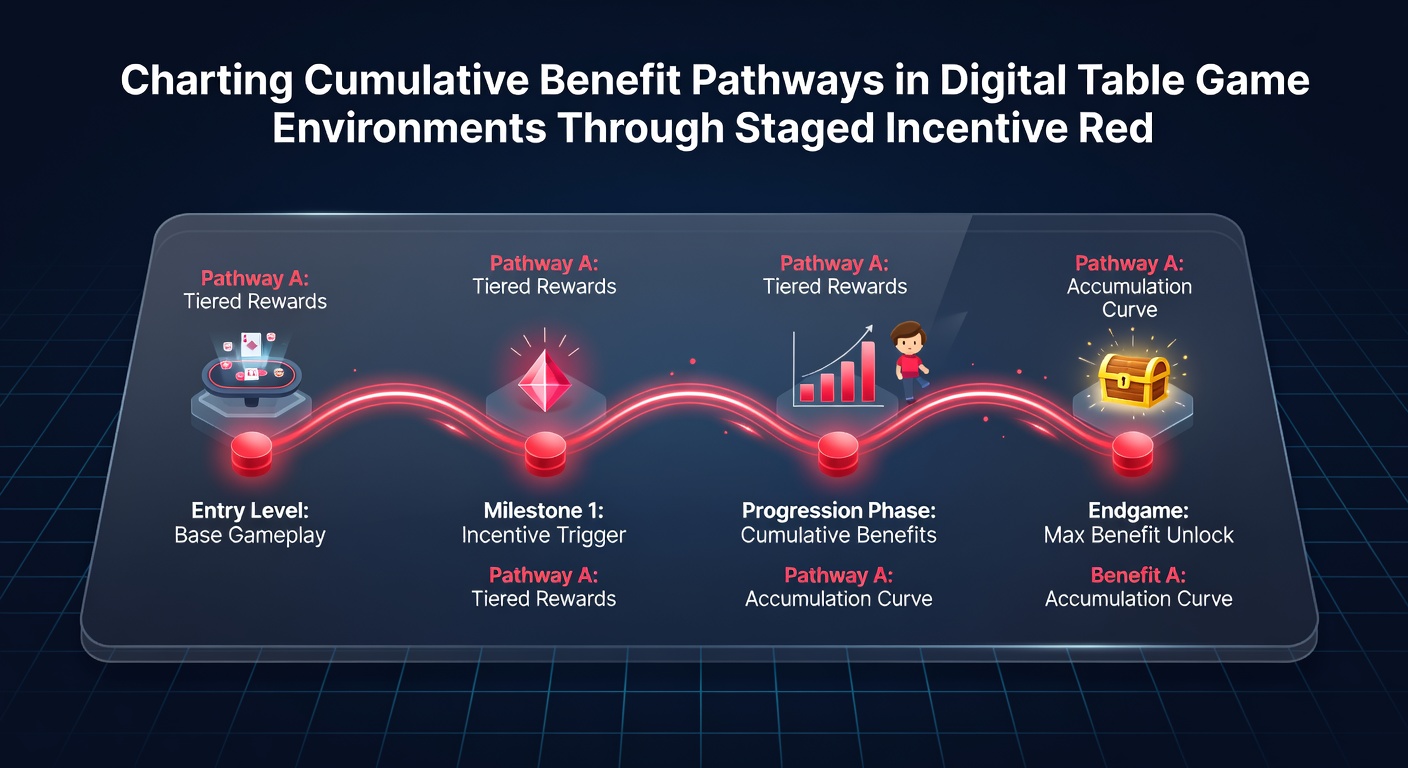
Pathway charts typically display linear progress bars alongside branching options where a player might choose between immediate small-value redemptions or continued accumulation toward premium benefits such as personalized host interactions or accelerated loyalty tier upgrades. Those who've studied platform analytics note that branching occurs most frequently around the midpoint of a cycle when accumulated points reach 60 to 70 percent of the next threshold.
Regulatory Influences on Redemption Timing
Government agencies across multiple jurisdictions require operators to publish clear redemption schedules and maintain audit trails that verify each stage completion, and these rules directly shape how pathways are presented to users. The Malta Gaming Authority updated its technical standards in early 2026 to mandate visible countdown timers on staged offers, a change that took effect in May and prompted several major platforms to adjust their interface designs accordingly.
Operators must also segment pathways by player classification so that high-volume participants encounter different redemption sequences than casual users, which creates parallel tracks within the same digital environment. Evidence from quarterly reports issued by the Australian Communications and Media Authority demonstrates that segmented systems reduced disputes over unredeemed benefits by 27 percent during the 2025-2026 fiscal period.
Integration With Platform Analytics
Backend systems continuously recalculate remaining stages based on real-time activity, and this dynamic adjustment allows pathways to lengthen or shorten depending on redemption velocity. Observers have documented instances where rapid early redemptions triggered bonus stage insertions that were not initially advertised, thereby extending the overall cumulative benefit horizon.
Industry reports compiled by the European Gaming and Betting Association highlight that platforms employing predictive analytics achieved more consistent pathway completion rates, particularly when May promotional calendars aligned redemption windows with major sporting events that drove additional table game traffic.
Conclusion
Cumulative benefit pathways in digital table game settings continue to evolve through refined staged redemption mechanics that balance regulatory compliance with operational efficiency. Data from multiple oversight bodies confirms that these systems produce measurable engagement patterns while maintaining transparent progression structures across diverse game formats and geographic markets.