Crafting Linked Incentive Pathways from Portable Device Credits to Elite Competition Access for Steady Status Growth
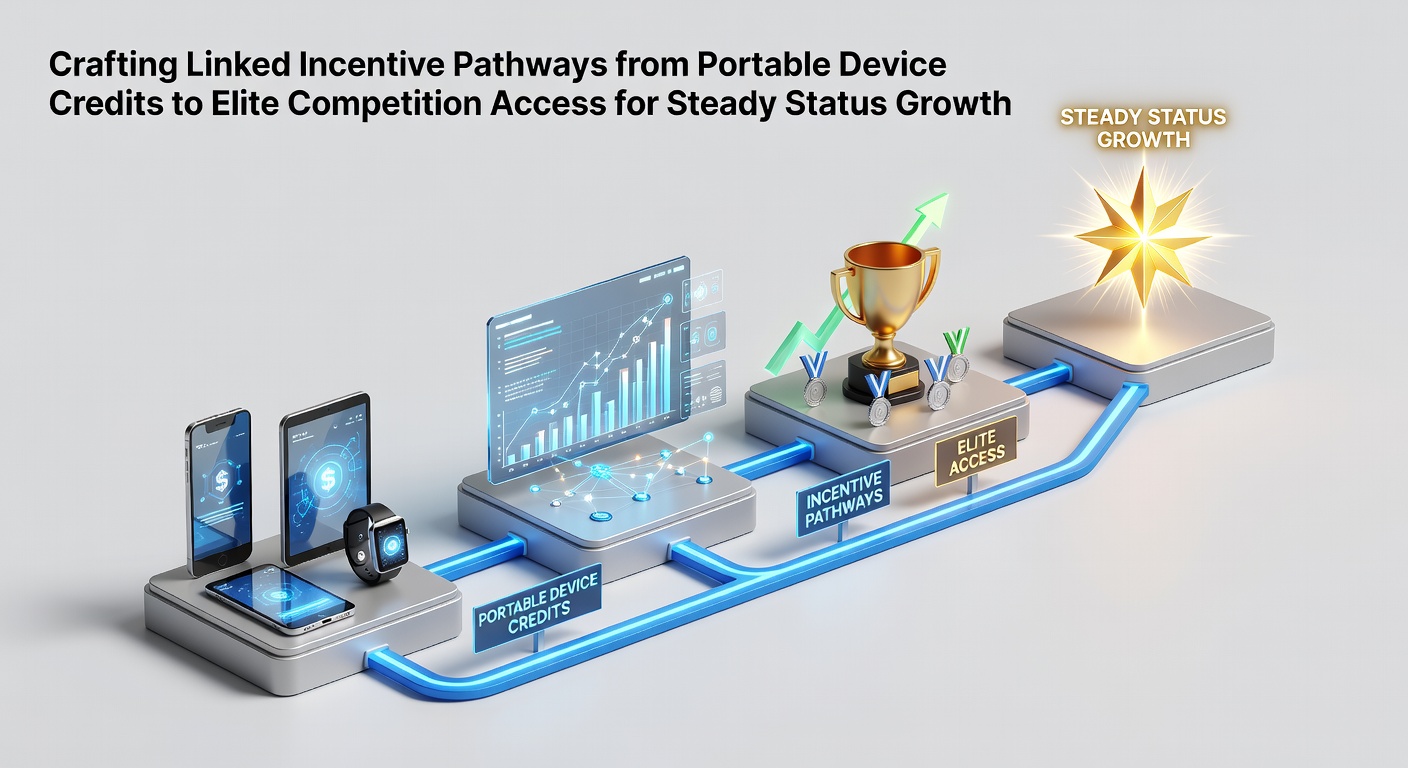
Observers note that portable device credits have become central entry points for many participants seeking structured progression toward higher-level events, and data from industry tracking services shows steady increases in mobile-initiated activity through the first half of 2026. These credits typically originate from in-app promotions, daily login sequences, or time-limited device-specific offers that platforms release on a rolling basis. Once collected, the credits move through conversion mechanics that convert accumulated value into qualifying points for contest registration, allowing users to step from casual engagement into more competitive brackets without separate cash deposits. The process begins with verification steps that link a user's device account to an operator's loyalty database, after which credits appear in a dedicated ledger visible on both mobile and desktop views. According to figures released by the American Gaming Association in early 2026, mobile-sourced credits now account for over 40 percent of all initial contest qualifications across major regulated markets. Platforms apply standardized conversion rates that translate credits into tournament tickets, with multipliers available when participants meet weekly activity thresholds.
Device Credit Mechanics and Initial Accumulation
Portable credits differ from desktop equivalents because they often carry shorter validity windows and device-specific multipliers tied to operating system or app version. Research compiled by the Nevada Gaming Control Board indicates that operators adjust these multipliers monthly, with May 2026 updates reflecting higher rates for users who maintain consecutive login streaks. The credits themselves carry no direct cash value until they route through the tournament entry system, at which point they unlock access tiers ranging from preliminary rounds to mid-level qualifiers. Users accumulate these credits through a combination of passive and active methods. Passive collection occurs via background app notifications that award small increments for simply keeping the application installed, while active routes involve completing short tasks such as viewing promotional content or participating in practice rounds. Once a threshold is reached, the system automatically generates an eligibility token that appears in the user's profile dashboard.
Transition from Credits to Competition Entry
The linkage between device credits and elite competition access relies on sequenced routing protocols that platforms have refined over successive software updates. Each token carries embedded metadata that determines which bracket the user may enter, and operators publish these routing tables publicly so participants can plan their sequences in advance. Those who have studied platform documentation observe that the transition phase includes an optional staging period during which credits can be pooled with credits earned on other devices belonging to the same verified account. This staging option proves especially useful for users managing multiple portable devices, because it prevents fragmentation of progress across separate ledgers. When the pooled total meets or exceeds the published requirement for a target event, the system releases an access code that grants entry without further payment. Industry reports from the Victorian Commission for Gambling and Liquor Regulation in Australia highlight similar pooling functions in licensed operations, noting consistent year-over-year growth in cross-device credit transfers since 2024.

Pathways Supporting Sustained Status Advancement
Steady status growth emerges when participants repeatedly complete the credit-to-entry cycle and apply resulting performance metrics toward loyalty tier calculations. Each completed competition contributes weighted points that accumulate across monthly reporting periods, pushing users toward higher VIP designations that unlock additional credit multipliers and earlier access windows. Platforms maintain transparent point tables that display exactly how many status points derive from preliminary versus semifinal placements, allowing participants to map projected advancement over multiple cycles. Data indicates that users who maintain consistent device activity throughout 2026 have recorded faster tier ascents compared with those who rely solely on desktop engagement. The difference stems from the higher frequency of small credit awards available on mobile, which compound into more frequent qualification opportunities. Operators have introduced automated status dashboards that project future tier dates based on current credit velocity, giving participants clear visibility into the timeline required for each advancement step.
Integration with Broader Platform Ecosystems
The pathways described here operate inside larger ecosystem frameworks that also manage live dealer interactions and regional promotional calendars. Credits earned on portable devices feed directly into unified loyalty engines that recognize activity across all channels, ensuring that tournament performance influences overall account standing regardless of entry method. Regulatory filings from the Casino Regulatory Authority of Singapore show that integrated systems reduce administrative overhead while maintaining clear audit trails for each credit conversion event. Participants who follow these integrated routes often combine device credits with periodic loyalty bonuses that platforms issue at the start of new reporting quarters. The combined resources accelerate qualification for elite brackets that carry higher status point awards, creating a self-reinforcing loop. Observers note that the loop remains stable provided users stay within published activity windows and complete required verification steps on schedule.
Conclusion
The linkage of portable device credits to elite competition access forms a measurable progression route that many platforms now document in detail for participant planning. Data from multiple regulatory jurisdictions confirms increasing adoption of these sequenced pathways through May 2026, with conversion mechanics and status calculation tables remaining publicly accessible. Participants who track credit velocity and align it with published tournament calendars can map steady advancement across successive reporting periods without reliance on external funding sources.