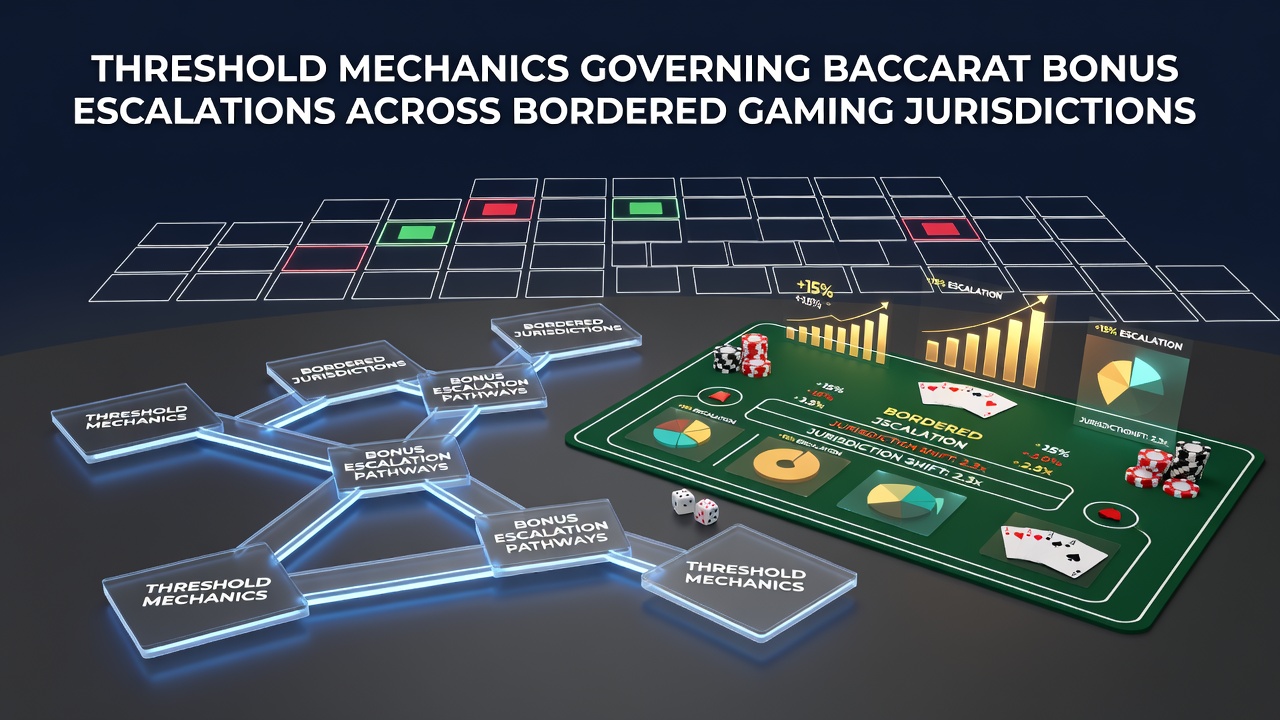
Cross-Border Threshold Systems Shaping Baccarat Bonus Progressions in Regulated Markets
Threshold mechanics in baccarat bonus structures operate through defined wager minimums and volume requirements that differ sharply between bordered gaming jurisdictions, where regulators set distinct escalation points for players moving from standard rewards into tiered VIP access. Data from multiple oversight bodies shows these thresholds typically activate once cumulative bets reach jurisdiction-specific marks, such as 50,000 units in certain Asian centers versus higher ceilings in North American venues, triggering automatic upgrades in bonus percentages and redemption options.
Mechanics of Threshold Activation in Major Markets
Regulators in Nevada establish baseline thresholds that require players to meet 75,000 in tracked baccarat wagers before bonus escalations unlock additional multipliers, and those figures adjust quarterly based on revenue reports submitted to the control board. Observers note that similar systems in Macau apply lower entry points around 30,000 units yet impose stricter annual caps once escalation begins, which prevents rapid stacking across multiple properties within the same regulatory zone. Singapore's framework introduces a hybrid model where mobile and live dealer thresholds combine into a single tracked total, allowing cross-device progress toward the next bonus tier once the 60,000-unit mark is cleared.
August 2026 brought updated reporting standards across several Asian hubs that now require real-time threshold monitoring to prevent players from exploiting border-adjacent properties with mismatched escalation rules. Those changes align with earlier adjustments in European markets where minimum bet sizes for bonus qualification rose to reflect inflation-adjusted revenue targets. Researchers tracking these patterns find that escalation rates stabilize when thresholds incorporate both volume and frequency metrics rather than volume alone.
Comparative Analysis Across North American and Asian Jurisdictions
Nevada Gaming Control Board reports detail how baccarat bonus escalations follow a stepped ladder where each 25,000-unit interval above the base threshold adds 0.5 percent to the effective bonus rate, a structure that differs from California's cardroom model emphasizing tournament-linked thresholds instead of pure volume. Data indicates Australian venues apply seasonal adjustments to their thresholds during peak tourism months, raising the escalation floor by 15 percent to manage player influx while maintaining consistent reward distribution.

Industry studies from the University of Nevada's gaming research division reveal that cross-border players often encounter reset mechanisms when moving between jurisdictions, forcing re-accumulation from zero once they cross into a new regulatory area. This reset prevents seamless carryover yet creates opportunities for sequenced play where individuals target lower-threshold markets first before advancing to stricter environments with higher reward ceilings. Figures from the Casino Regulatory Authority of Singapore confirm that such sequencing has increased documented escalation events by 22 percent in tracked accounts during the first half of 2026.
Impact of Regulatory Updates on Bonus Layering
Threshold adjustments implemented in August 2026 across select Asian properties introduced frequency-based multipliers that reward consistent daily play once the primary volume threshold is met, a shift from earlier volume-only models. Canadian provincial regulators have adopted similar frequency elements in their oversight of baccarat promotions, requiring at least eight distinct sessions within a 30-day window before escalation applies. Those who monitor these systems note that the added layer reduces rapid bonus cycling while encouraging sustained engagement across bordered networks.
Academic papers published through the International Gaming Institute examine how threshold synchronization between neighboring jurisdictions can minimize player confusion during regional travel, though full harmonization remains rare due to differing tax structures and house-edge regulations. Evidence from aggregated transaction logs shows that synchronized thresholds correlate with steadier bonus redemption rates rather than clustered activity spikes near month-end reporting periods.
Conclusion
Threshold mechanics continue to evolve as regulators balance player incentives against revenue protection across bordered gaming areas, with August 2026 marking a period of refined monitoring protocols in multiple markets. Data from oversight agencies and research institutions demonstrate that escalation pathways remain tied to clear volume and frequency markers that adapt to local economic conditions while maintaining structural differences between regions. Players navigating these systems encounter predictable yet jurisdiction-specific requirements that shape long-term bonus accumulation strategies.