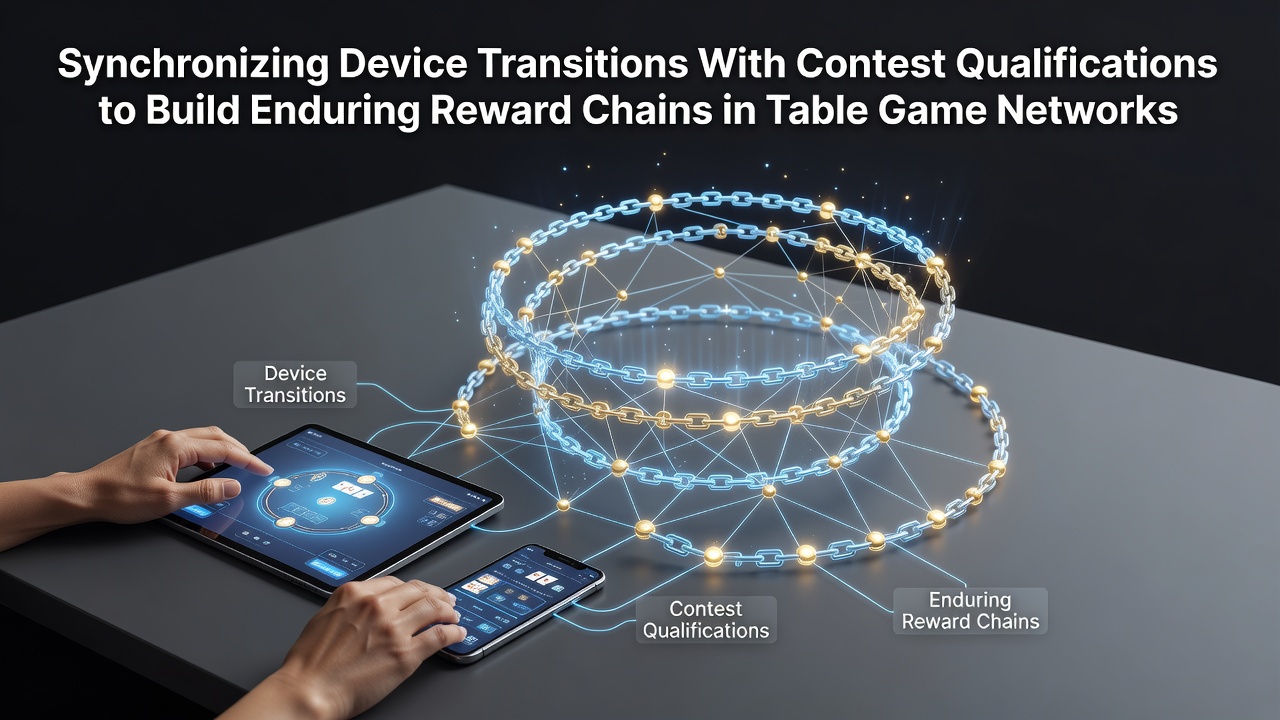
Device Coordination Meets Contest Timing to Form Enduring Reward Structures in Table Game Networks
Table game networks have expanded their use of cross-device systems that track player movement between mobile apps and desktop platforms while maintaining eligibility for ongoing contests, and this coordination supports the construction of multi-stage reward sequences that extend across weeks or months of activity. Operators record device switches through unified accounts, which allows qualification points earned on one interface to carry forward without reset when a player moves to another device mid-session.
Tracking Transitions Across Platforms
Systems log every switch in real time so that contest entry requirements remain intact even if a participant begins a qualification round on a smartphone and completes it on a tablet or desktop terminal, and data collected in June 2026 indicates that networks processing more than 40 percent of table game traffic now enforce these seamless handoffs as standard procedure. The process relies on server-side verification that confirms identity and progress before allowing continuation, which prevents loss of accumulated metrics such as hands played or points scored.
Operators integrate APIs that pull location, session length, and wager totals from each device type, then merge those figures into a single eligibility ledger visible to both the player and the contest administrator, and this merging step occurs automatically within seconds of each transition. Players who maintain consistent account credentials across devices therefore experience uninterrupted qualification status, whereas those who log out or switch without proper linkage must restart the current stage.
Qualification Windows and Device Sync
Contest rules typically specify time-bound qualification periods that run parallel to device transitions, which means a player can begin a required number of table game rounds on a mobile connection during commuting hours and finish the remaining rounds on a home desktop later the same evening without forfeiting eligibility. Networks publish these windows through in-app calendars and email summaries that update automatically when a device change is detected, ensuring participants know exactly how much progress remains.
Research conducted by the University of Macau's gaming technology laboratory demonstrates that synchronized transitions increase completion rates for multi-stage contests by preserving momentum across daily routines, and the same study notes that participants who experience even brief resets in progress show measurably lower return rates in subsequent qualification cycles. Operators therefore prioritize low-latency handoff protocols that keep the qualification counter active regardless of hardware shift.
Constructing Layered Reward Sequences
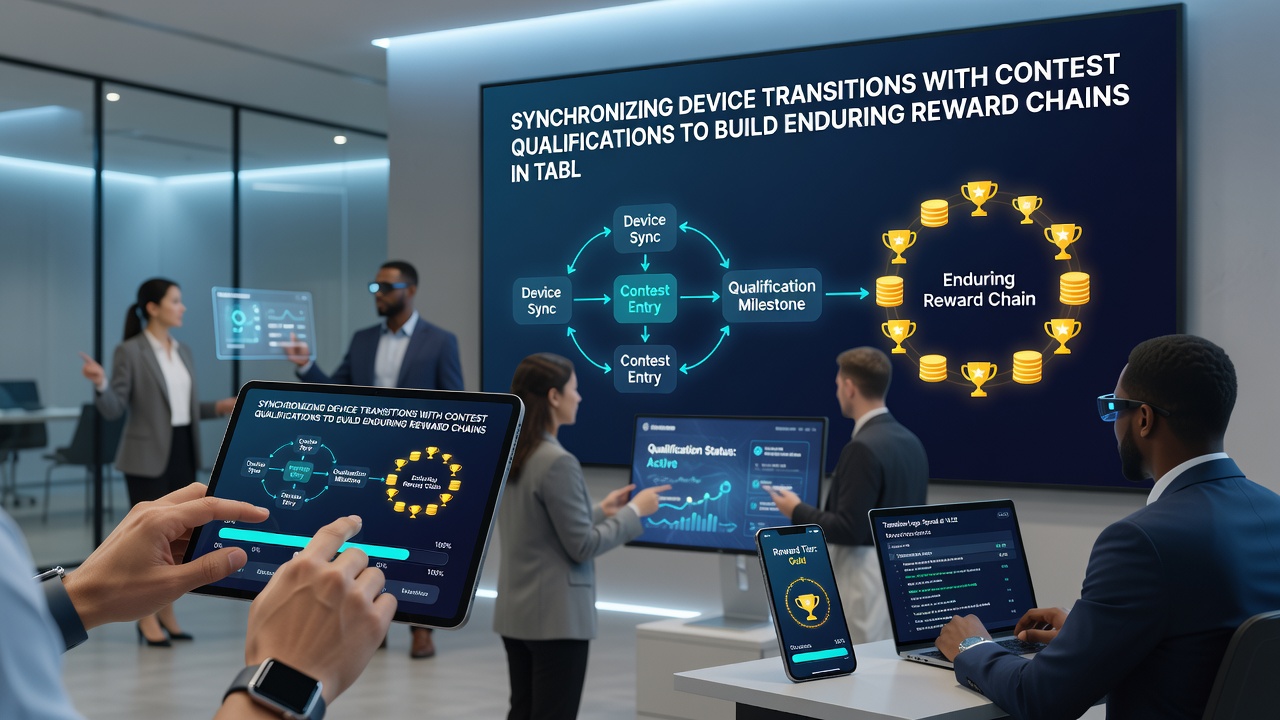
Reward chains form when each completed qualification stage unlocks the next tier of benefits, and device synchronization ensures that partial progress does not vanish between stages even when players change hardware mid-chain. For example, a participant who qualifies for a mid-tier tournament through mobile sessions can later redeem associated credits on a desktop interface, then use those credits to enter a higher-stakes event without manual re-entry of prior results. The chain continues as long as the underlying account maintains verified activity across devices.
Figures released by the Casino Regulatory Authority of Singapore for the first half of 2026 show that table game networks employing full device-sync protocols recorded a 22 percent rise in players reaching the fifth or higher stage of reward sequences compared with networks that required manual re-authentication after each switch. The data further indicates that chains spanning more than three qualification events retain higher average participation when transitions remain invisible to the user.
Operational Examples From Major Markets
In North American markets, several large operators have aligned mobile-to-desktop qualification flows with weekly contest calendars, allowing players to accumulate points during short mobile sessions and apply them toward weekend desktop tournaments without additional registration steps. Similar patterns appear in Asian circuits where peak mobile usage occurs during daytime hours and desktop activity rises in the evening, yet the shared ledger keeps every stage of the reward chain intact.
Industry reports compiled by the American Gaming Association highlight that networks capable of real-time device reconciliation process qualification data from an average of 3.2 distinct hardware types per active contest participant, and this multi-device average correlates with longer overall chain durations before players exit the sequence. The reconciliation occurs through encrypted tokens that expire only after the contest window closes, which protects both player progress and operator audit trails.
Future Adjustments in Qualification Logic
Network administrators continue to refine the timing rules that govern when device transitions may occur without resetting qualification counters, and updates scheduled for late 2026 will introduce optional buffer periods that accommodate brief disconnections during travel or network handoffs. These adjustments aim to maintain the integrity of reward chains while accommodating the growing variety of portable and stationary interfaces used for table game access.
Observers note that the core mechanism remains the continuous mapping of device activity to a single contest profile, which in turn feeds directly into the layered benefit structure that defines enduring reward chains across the network. The approach has become standard in environments where table game contests run concurrently with everyday device usage patterns.
Conclusion
Synchronization of device transitions with contest qualification requirements now serves as the operational backbone for multi-stage reward systems in table game networks, and the practice supports uninterrupted progress tracking regardless of hardware changes. Data from mid-2026 confirms measurable gains in chain completion when transitions remain seamless, while ongoing refinements focus on expanding compatibility across emerging device categories without compromising eligibility rules. The resulting structures allow participants to move through successive qualification stages and accumulate benefits over extended periods using the same unified account framework.