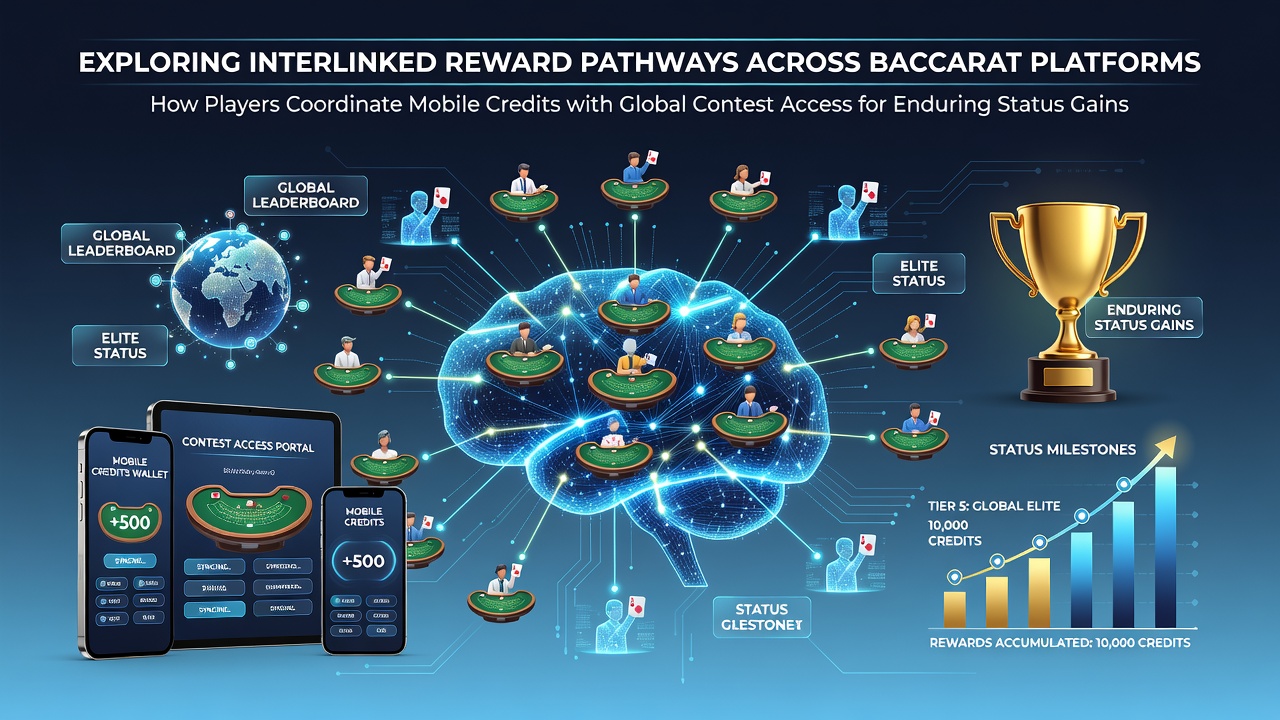
Interconnected Reward Networks in Baccarat: How Mobile Credits Integrate with Worldwide Tournaments for Ongoing Status Development
Players across multiple baccarat platforms coordinate mobile credits with entry points into international contests, and this coordination creates layered pathways toward sustained status elevation. Data from industry tracking services shows that mobile applications now handle a growing share of credit transfers between regional operators and global event organizers, allowing participants to move accumulated points or balances into tournament qualifiers without direct cash withdrawals.
Platform Structures That Enable Credit Mobility
Many baccarat operators maintain separate ledgers for mobile-based play and tournament participation, yet they permit transfers when specific conditions are met. A participant might accumulate credits through daily mobile sessions and then apply those same credits toward entry fees for events hosted on partnered sites in different jurisdictions. Observers note that such transfers often require verification codes generated within the mobile app, and these codes link directly to the user's global contest profile.
Regulatory filings from the Nevada Gaming Control Board indicate that cross-platform credit movements increased during the first half of 2026, with mobile channels accounting for a measurable portion of tournament registrations. Similar patterns appear in reports from the Australian Communications and Media Authority, which tracks digital wagering activity across licensed operators.
Coordination Methods Used by Participants
Participants typically follow sequenced steps that connect mobile incentives to contest access. First they complete mobile play requirements that unlock transferable credits, then they apply those credits to registration portals for events scheduled on partner platforms. The process relies on synchronized account identifiers that remain consistent across regions, and timing matters because some contests close registration windows weeks in advance.
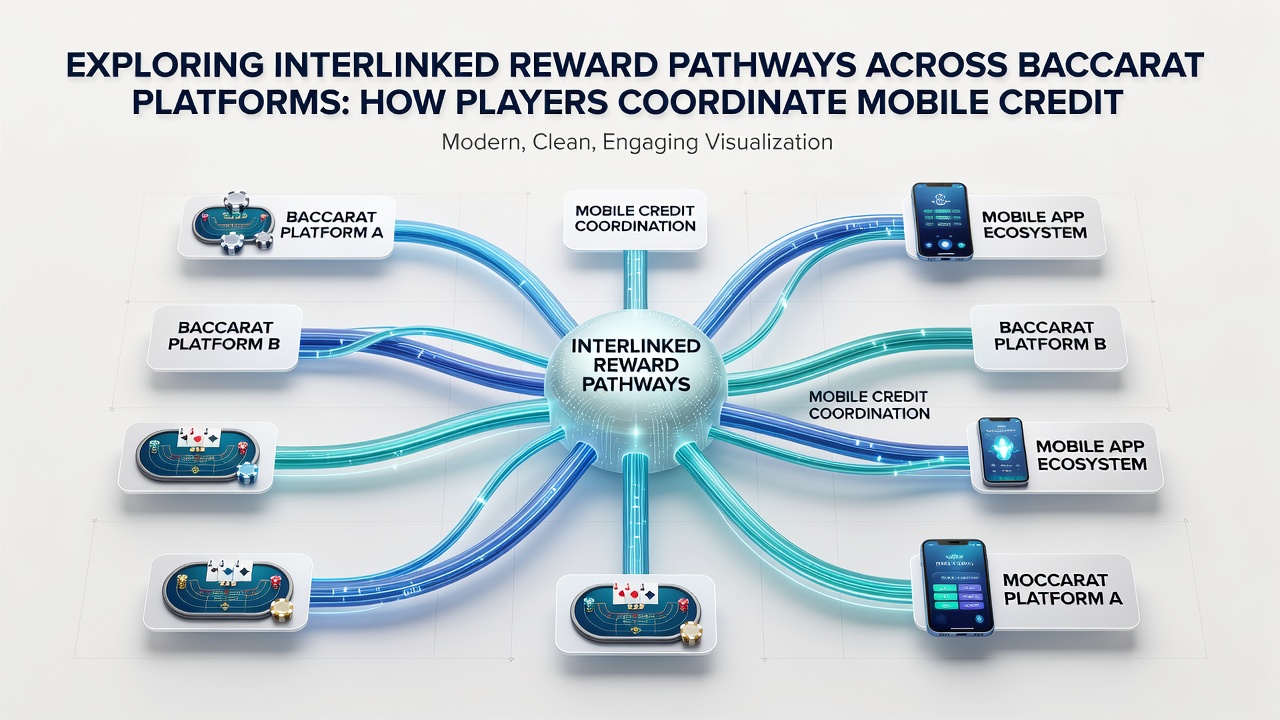
One documented approach involves staging redemptions so that mobile credits convert into entry tokens shortly before a major qualifier begins. This method reduces the risk of credits expiring while ensuring the participant meets both platform-specific wagering thresholds and contest eligibility rules. Figures released by the European Gaming and Betting Association reveal that players who align mobile activity with contest calendars maintain higher retention rates in loyalty programs compared with those who treat each platform independently.
Status Progression Through Linked Pathways
Status levels in baccarat ecosystems advance when players accumulate points from both mobile sessions and contest performances. Mobile credits often contribute to base loyalty tiers, whereas contest results supply bonus multipliers that accelerate movement into higher categories. Those who study these systems report that consistent linkage between the two areas produces compounding gains over multiple months rather than isolated spikes.
In July 2026 several operators introduced synchronized calendars that display mobile credit expiration dates alongside upcoming global contest deadlines. This alignment allows participants to plan transfers more precisely and avoid losing unused balances. Industry data indicates that platforms adopting such unified schedules recorded measurable increases in cross-border tournament entries during that period.
Regional Variations in Integration Practices
Operators in North America tend to emphasize mobile credit portability within domestic networks, while Asian platforms more frequently connect mobile activity to international contest series. European systems often require additional compliance checks before credits move across borders, yet the underlying mechanics remain similar. Researchers tracking these differences have found that players who operate across multiple regions develop routines that account for each area's distinct transfer rules.
Account management tools now include dashboards that display both mobile balances and contest qualification progress on a single screen. These interfaces reduce the need to switch between separate applications, and they highlight upcoming deadlines that affect credit usability. Data compiled by academic researchers at the University of Nevada, Las Vegas shows that users of integrated dashboards complete more successful credit transfers than those relying on manual tracking methods.
Conclusion
Coordination between mobile credits and global contest access forms measurable pathways that support ongoing status development in baccarat environments. Platform operators continue to refine transfer mechanisms and calendar tools, while participants adapt their play patterns to maximize linkage opportunities. Available statistics from regulatory and industry sources confirm that these interconnected systems operate across multiple jurisdictions and continue to evolve in response to technological and regulatory changes.