Mapping Conditional Triggers Across Baccarat Platform Architectures
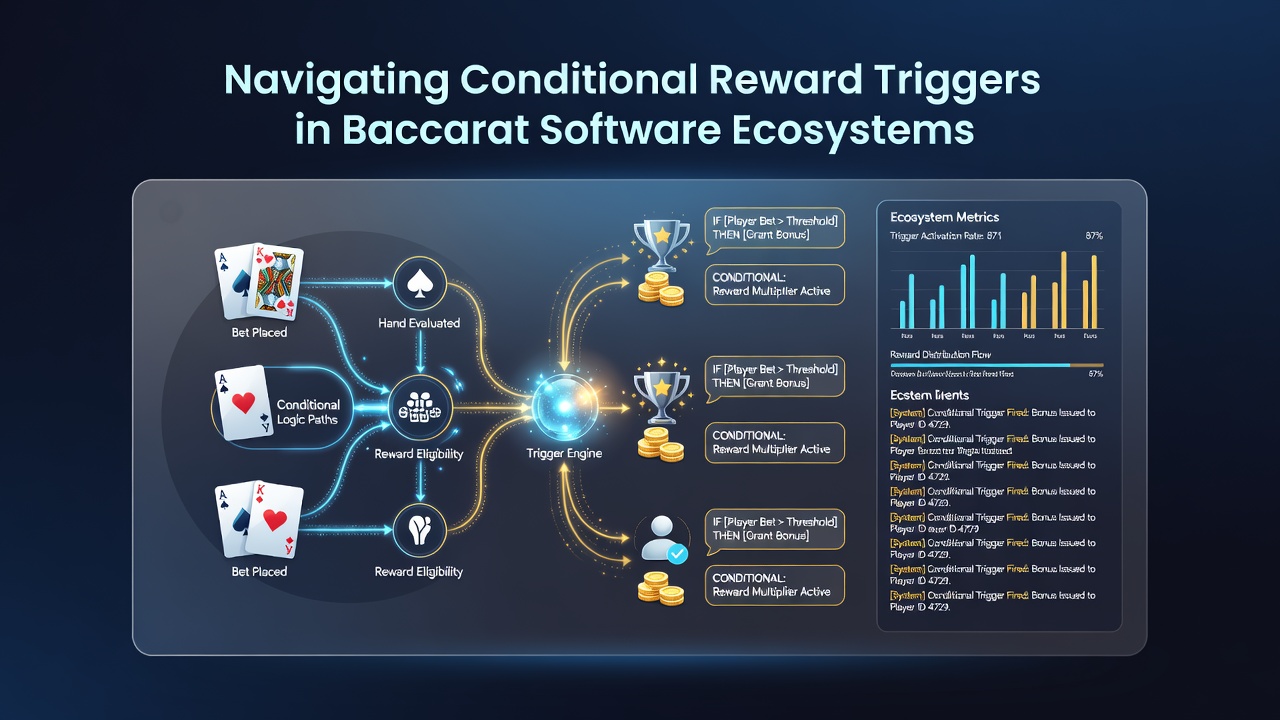
Software ecosystems supporting baccarat operations rely on layered conditional triggers that activate rewards based on predefined parameters such as wager volume, session duration, and game variant selection. These systems process real-time data streams from both random number generator tables and live dealer interfaces, applying Boolean logic trees to determine eligibility before any credit disbursement occurs.
Core Components of Trigger Logic
Developers encode conditional statements directly into the backend frameworks that power online baccarat platforms. A typical sequence begins when a player account meets an initial threshold, then branches into secondary checks involving game history and device fingerprinting. Data shows these checks prevent duplicate redemptions across multiple sessions while allowing progressive accumulation toward higher-tier status.
Operators integrate these triggers with player loyalty modules that pull metrics from centralized databases. According to figures released by the Nevada Gaming Control Board, conditional structures accounted for measurable shifts in bonus payout patterns during the first half of 2026. The same reports note that July 2026 updates introduced additional verification layers for cross-platform play on mobile applications.
Integration with Live Dealer and Mobile Environments
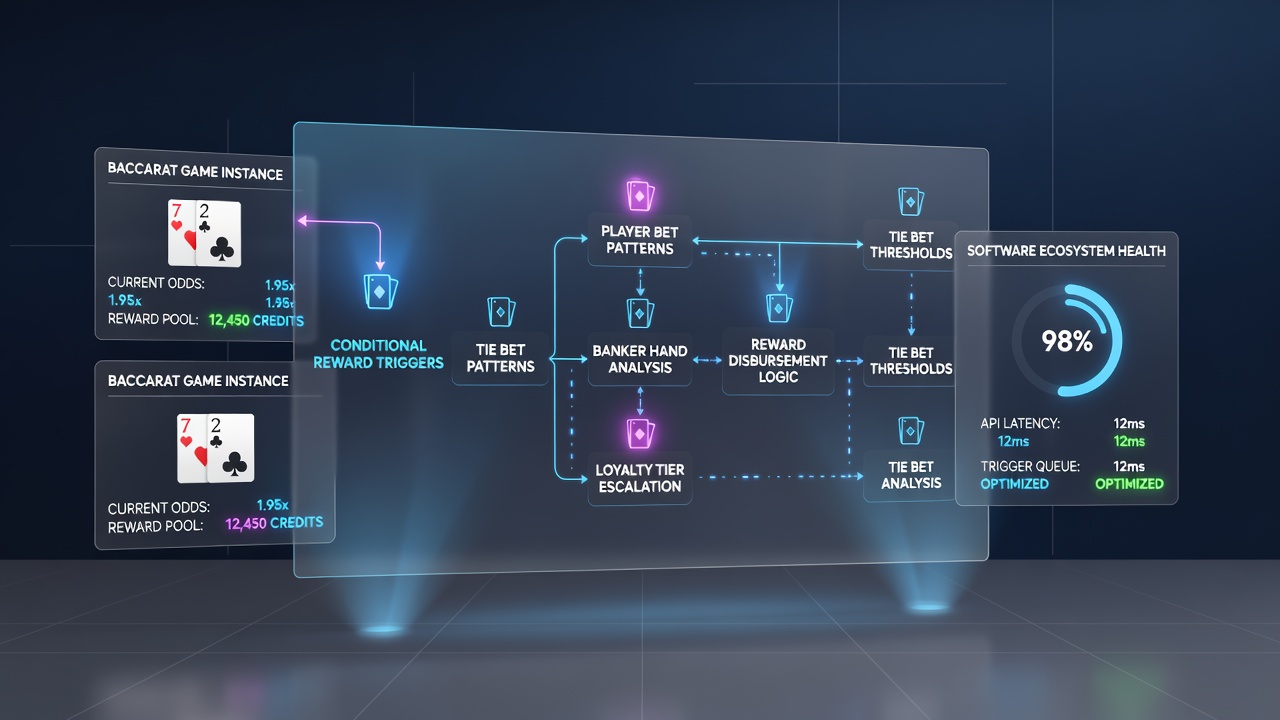
Live dealer streams add another dimension because triggers must account for real-time betting data transmitted through dedicated APIs. Conditional flags activate when a player sustains minimum bet levels across consecutive hands, yet the system simultaneously monitors for anomalies that could indicate coordinated play. Mobile ecosystems mirror many of these rules while incorporating location-based parameters and battery-level restrictions that temporarily pause reward processing.
Industry reports from the Macau Gaming Inspection and Coordination Bureau indicate that conditional reward volumes rose 18 percent year-over-year through mid-2026, largely driven by synchronized triggers between desktop and portable device sessions. Those figures reveal how software now sequences mobile incentives ahead of tournament entry requirements to maintain consistent progression paths.
Regulatory and Technical Adjustments in 2026
Regulatory bodies across multiple jurisdictions have required operators to document every conditional pathway in auditable logs. This documentation covers both the initial activation conditions and any downstream effects on account balances. Research published by the University of Nevada, Las Vegas International Gaming Institute examined trigger transparency in several major platforms and found that clearer rule presentation correlated with higher player retention rates in tracked cohorts.
Platform updates rolled out during July 2026 incorporated refined error-handling routines that reset partial progress when network interruptions occur mid-sequence. These changes addressed complaints about lost conditional states and brought systems into alignment with emerging technical standards adopted by gaming associations in North America and Asia.
Practical Navigation for Platform Users
Players interact with these systems through on-screen indicators that display current progress toward each trigger. The indicators update after every resolved hand or completed round, pulling fresh values from the central server. Observers note that successful navigation often involves monitoring multiple concurrent conditions rather than focusing on a single metric.
Case studies compiled by gaming analytics firms illustrate how sequenced redemptions across welcome offers and tournament qualifiers create layered status gains without violating individual platform caps. The process requires careful timing because some triggers expire after fixed calendar periods while others persist until manually claimed.
Conclusion
Conditional reward triggers form an essential layer within modern baccarat software ecosystems, linking player behavior directly to automated outcomes through precise algorithmic rules. Documentation from regulatory agencies and academic research centers continues to shape how these mechanisms evolve, particularly as operators refine integrations between live dealer feeds, mobile applications, and loyalty databases. Continued monitoring of July 2026 platform adjustments and subsequent regional reports will provide further insight into how these systems maintain compliance while supporting sustained player engagement across global networks.