
Sequencing Portable Credits Into Elite Contests Across Borderless Baccarat Networks
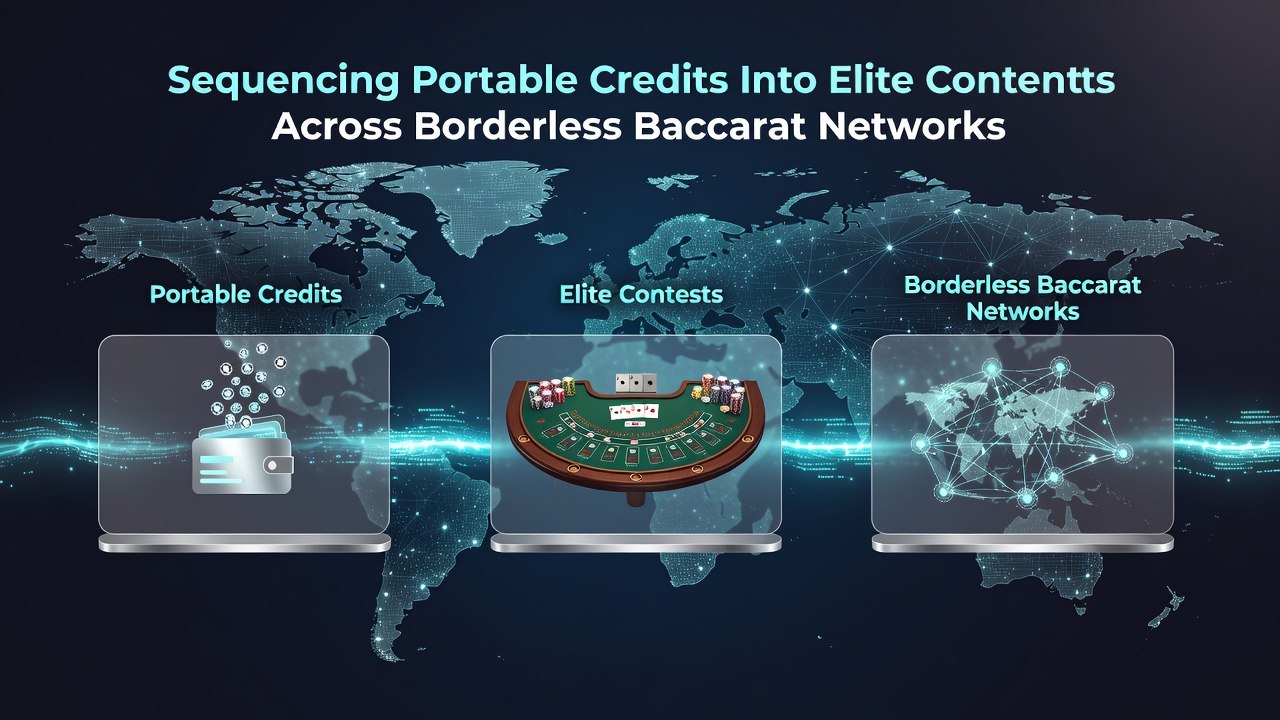
Portable credits function as digital balances transferred through mobile applications linked to baccarat platforms operating across multiple jurisdictions, and operators route these balances into tournament entry requirements using standardized protocols that comply with local licensing rules. Data from regulatory filings shows that in August 2026 several networks expanded their cross-border settlement systems to accommodate real-time credit sequencing without triggering additional verification delays.
Technical Infrastructure Supporting Credit Transfers
Borderless baccarat networks rely on API connections between mobile wallets and central tournament servers so that credits move from personal devices directly into entry pools while preserving audit trails required by each participating authority. Observers note that these systems use encrypted ledgers to record every transfer sequence, which allows platforms to verify that funds originate from approved sources before granting tournament access. Research indicates that transaction volumes for such sequenced entries rose steadily through the first half of 2026 as more operators adopted unified compliance modules.
One case documented by platform operators involved a player converting accumulated mobile credits from a licensed European application into an Asian-based tournament bracket, with the entire process completed through automated checks that confirmed jurisdictional eligibility within seconds. This method avoids manual intervention because the network software matches credit origin codes against tournament participation criteria before confirming the entry.
Regulatory Variations Across Jurisdictions
Different regions maintain distinct requirements for credit validation, so networks must sequence transfers to satisfy each set of rules simultaneously. According to reports from the Nevada Gaming Control Board, operators serving U.S. players incorporate geofencing layers that restrict sequenced credits from entering tournaments hosted in jurisdictions without reciprocal agreements. In contrast, Australian regulatory frameworks emphasize player identity verification at the point of credit redemption rather than at the initial transfer stage.
Those who have examined multi-jurisdictional baccarat operations find that August 2026 updates to several licensing codes introduced new reporting thresholds for sequenced entries exceeding certain value limits, prompting networks to adjust their internal algorithms accordingly. These adjustments ensure that tournament organizers receive verified credit histories without exposing underlying player data across borders.
Operational Sequencing in Practice
Networks typically structure credit sequencing through staged verification steps where mobile balances first clear local wallet rules, then undergo currency conversion modules, and finally receive tournament eligibility flags. Industry reports from the European Gaming and Betting Association highlight that this staged approach reduces processing errors when credits move between platforms operating under separate tax regimes. Figures reveal that successful sequencing rates improved after networks introduced fallback protocols for failed transfers, allowing credits to return to the original mobile account within the same session.
Take one documented workflow where a player accumulated credits via an application licensed in one country and then directed those credits toward an elite contest hosted on a server registered elsewhere; the system automatically applied exchange rates and compliance flags before confirming participation. Such examples demonstrate how borderless networks maintain operational continuity while meeting varied regulatory demands.
Conclusion
Borderless baccarat networks continue to refine credit sequencing mechanisms to align portable balances with elite contest entries under evolving international standards. Data collected through August 2026 shows measurable increases in automated transfer success as platforms integrate updated compliance tools across regions. These developments rest on technical standards and regulatory coordination rather than individual strategies, with oversight provided by multiple licensing bodies worldwide.