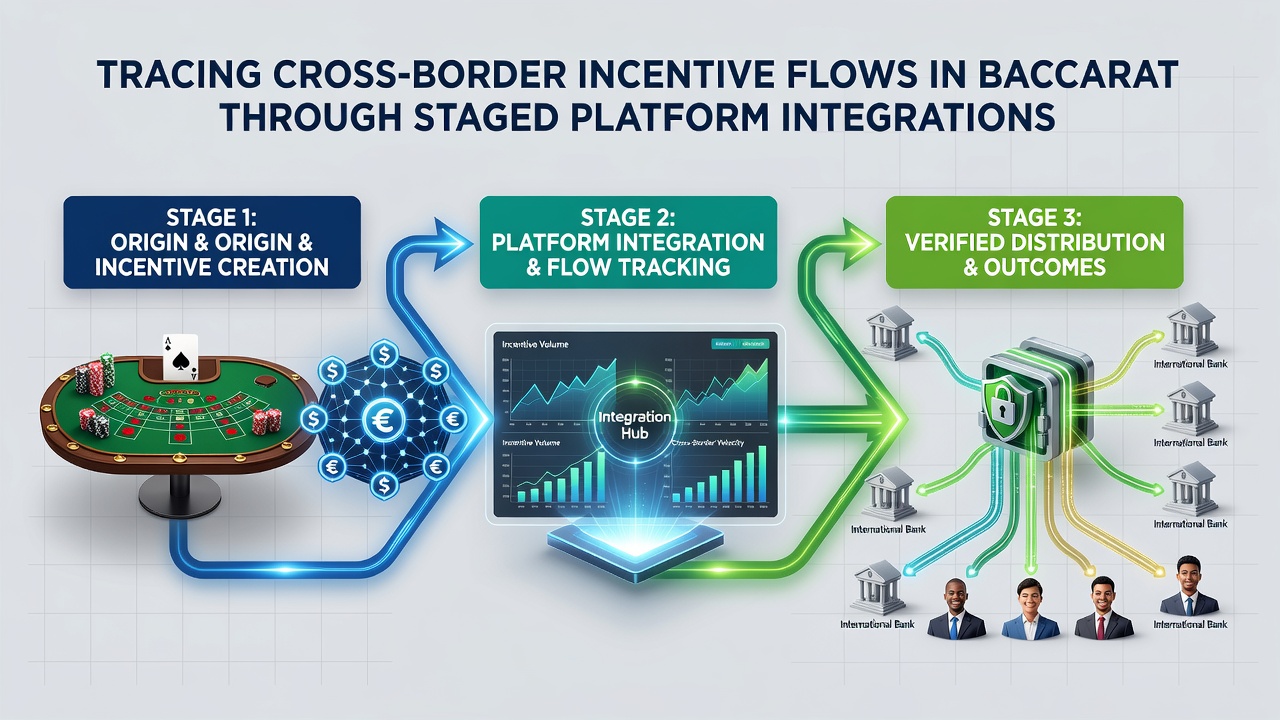
Tracing Cross-Border Incentive Flows in Baccarat Through Staged Platform Integrations
Platform operators in the baccarat sector now route player incentives through sequential integration stages that span multiple jurisdictions, and data from industry tracking systems shows these flows move from initial mobile sign-ups to cross-border tournament entries. Staged integrations link local reward ledgers with international servers, allowing bonuses earned in one region to convert into credits usable on platforms hosted elsewhere. Figures from regulatory filings indicate that such sequences have increased in frequency since early 2025, particularly where operators align Asian high-limit tables with North American and European digital interfaces.
Platform Integration Stages and Data Routing
Operators break incentive processing into distinct phases that begin with device-based enrollment and progress through verification layers before reaching live dealer environments. Each stage records transaction hashes that travel with the incentive data, creating audit trails that cross regulatory boundaries without direct player intervention. Research from gaming analytics firms reveals that these hashes update in real time as players move from Asian mobile apps to servers located in jurisdictions with different tax and compliance rules.
One documented sequence starts with a portable device credit issued under local rules, then transfers to a central rewards engine that applies exchange adjustments before releasing funds for tournament play on a separate continent. Observers note that the process relies on API handshakes between platforms, and August 2026 reports from multiple operators list increased volumes of such transfers coinciding with updated integration protocols.
Cross-Border Movement Patterns
Incentive flows follow predictable corridors that connect major baccarat markets in Macau and Singapore with testing grounds in California and Nevada. Data compiled by regional gaming authorities shows that credits originating in one currency zone undergo staged conversion before appearing as playable balances in another. Those who've examined transaction logs find that the conversions often occur during off-peak hours to minimize latency across time zones.
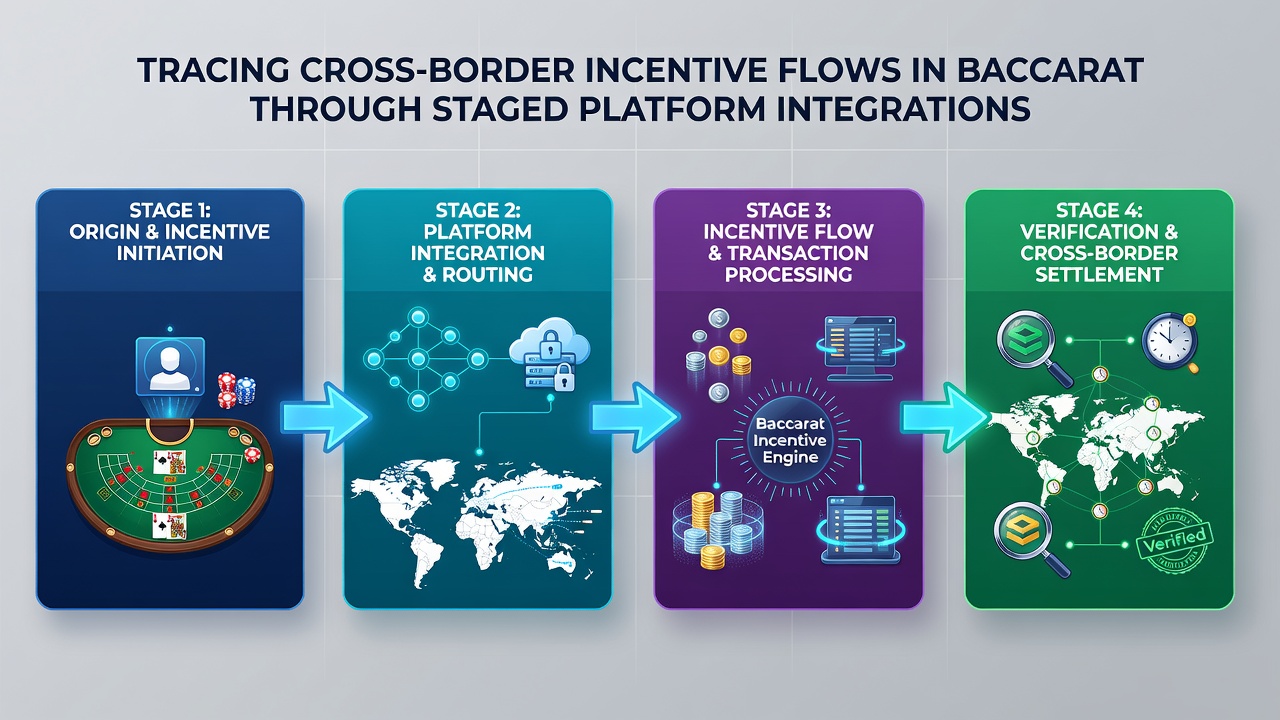
Take the case of a single operator network that routes VIP tier points from a Southeast Asian live dealer session into a North American mobile tournament bracket. The points pass through an intermediate clearing layer that applies compliance checks required by both originating and destination regulators. According to records maintained by the Nevada Gaming Control Board, these layered transfers accounted for a measurable share of cross-jurisdictional activity during the first half of 2026.
Regulatory and Technical Considerations
Each integration stage must satisfy licensing conditions that differ by region, and operators maintain separate compliance modules for every jurisdiction involved. Technical documentation from platform providers indicates that incentive data packets carry metadata tags identifying their origin and intended destination, which automated systems read to enforce spending limits or eligibility rules. Studies conducted by international research institutions have documented how these tags prevent unauthorized merging of bonuses across incompatible regulatory frameworks.
What's interesting is how the sequencing affects player progression timelines. A reward earned under one set of rules may require an additional verification step before it unlocks access to higher-stakes events elsewhere, and logs show that delays at any single stage ripple through the entire chain. Industry associations tracking these patterns report that operators continue refining API timing to reduce friction while staying within legal boundaries.
Conclusion
Staged platform integrations now form the primary mechanism for moving baccarat incentives across borders, and the resulting data trails provide regulators and operators with clearer visibility into cross-jurisdictional activity. As integration protocols evolve, the volume of tracked flows is expected to grow, particularly where mobile and tournament systems converge. Those monitoring the sector note that continued documentation of these sequences will remain essential for maintaining compliance across all participating regions.